
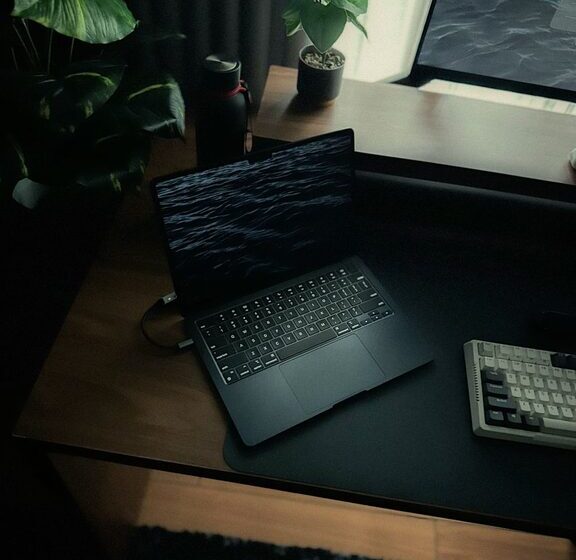

Creating a relaxing home workspace is essential for maintaining focus, creativity, and overall well-being, especially when working remotely or spending long hours at home. A thoughtfully designed workspace can reduce stress, improve concentration, and boost your productivity. In this post, we’ll explore practical tips to help you create a calming and comfortable environment tailored to your needs.
Why a Relaxing Workspace Matters
Your workspace isn’t just where you get your work done—it’s where your mind shifts into focus mode. If your area feels cluttered, uncomfortable, or uninspiring, it can be challenging to concentrate. A relaxing setup promotes calmness and efficiency, making your work time more enjoyable and less stressful.
Choose the Right Location
Picking the ideal spot in your home for your workspace is the first step toward relaxation.
– Natural Light: Try to position your desk near a window to benefit from natural sunlight. Natural light improves mood and energy.
– Quiet Area: If possible, select a quiet corner away from noisy common areas. This helps minimize distractions.
– Space: Choose a spot with enough room to accommodate your computer, supplies, and some personal touches without feeling cramped.
Invest in Comfortable Furniture
Comfort is key to maintaining focus.
– Ergonomic Chair: A good chair supports your back and encourages healthy posture. Look for adjustable features to customize height and lumbar support.
– Desk Height: Make sure your desk height is suitable for your chair and allows your arms to rest comfortably while typing.
– Footrest: Consider a footrest if your feet don’t comfortably reach the ground.
Keep It Organized and Clutter-Free
Reducing clutter creates a clearer mind.
– Storage Solutions: Use shelves, drawers, or bins to store office supplies and paperwork.
– Minimal Decor: Keep decorations simple and meaningful. Too many items can distract or create visual noise.
– Daily Tidying: Spend a few minutes each day organizing your space to maintain cleanliness.
Personalize Your Space with Calming Elements
Adding elements that make you feel good can boost relaxation.
– Plants: Small indoor plants bring a touch of nature indoors and improve air quality.
– Colors: Use calming colors such as soft blues, greens, or neutrals for your walls or accessories.
– Lighting: Use warm, adjustable lighting instead of harsh overhead lights. A desk lamp with dimming capability can reduce eye strain.
Manage Noise and Distractions
A peaceful environment helps improve focus.
– Noise-Canceling Headphones: These are helpful if you’re in a busy household or noisy neighborhood.
– Soft Background Sounds: Some people find white noise, nature sounds, or soft music calming. Experiment to see what works best for you.
– Clear Boundaries: Communicate your work hours and space boundaries to family members or roommates to minimize interruptions.
Incorporate Movement and Breaks
Physical health contributes to mental relaxation.
– Stretching: Take regular breaks to stretch and move your body.
– Standing Desk Option: If possible, include a sit-stand desk setup to alternate your posture.
– Comfortable Floor Mat: If you stand often, a cushioned mat can reduce fatigue.
Technology Setup for Ease and Efficiency
Technology should support your workflow, not hinder it.
– Cable Management: Use clips or cord organizers to keep wires tidy and out of the way.
– Screen Position: Position your monitor at eye level to avoid neck strain.
– High-Quality Equipment: Invest in a good keyboard, mouse, and headphones that suit your daily use.
Add Inspiring and Motivating Touches
Relaxation doesn’t mean boredom—feel free to incorporate enthusiasm.
– Inspiring Quotes: Frame a favorite motivational quote or artwork nearby.
– Personal Photos: Include a few photos that bring you joy and inspiration.
– Vision Board: Create a small board with your goals and reminders of what inspires you.
Final Thoughts
A relaxing home workspace combines comfort, organization, and personal touches to create an inviting atmosphere. Small adjustments can make a big difference in how productive and stress-free your workdays feel. Take time to assess your current setup and apply these tips step by step, crafting a space where you not only work effectively but also feel calm and inspired.