
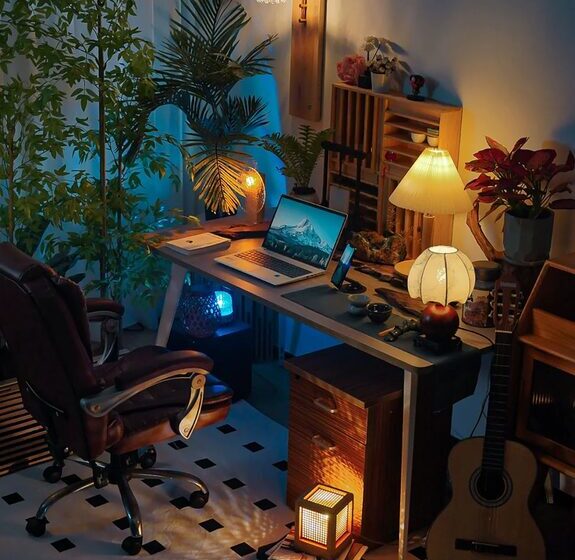

Creating a cozy and inviting home workspace can transform the way you work, making your daily tasks more enjoyable and productive. Whether you work remotely full-time or just need a dedicated nook for occasional projects, a comfortable and well-organized space helps you stay focused and relaxed.
In this post, we’ll share practical tips to help you design a home workspace that feels warm, inviting, and functional. From lighting to decor, small changes can make a big difference in creating the perfect environment for your work.
1. Choose the Right Spot for Your Workspace
Selecting the ideal location for your workspace is the first step. Look for a quiet area with enough room for your desk and essentials. If possible, pick a space near a window to benefit from natural light, which enhances mood and reduces eye strain.
If space is limited, consider repurposing a corner in a living room, bedroom, or even a hallway. Using room dividers or shelves can help create a sense of separation, making the area feel more dedicated to work.
2. Invest in Comfortable Furniture
Comfort is key to spending productive hours at your desk. A good-quality chair that supports your back will help prevent discomfort and fatigue. Look for adjustable chairs that let you modify height and lumbar support.
Your desk should also be at a comfortable height and large enough to hold your computer, accessories, and any paperwork you need. If you prefer alternating between sitting and standing, consider a height-adjustable desk.
3. Optimize Lighting for Comfort and Focus
Good lighting can reduce eye strain and boost concentration. Natural light is ideal, so position your workspace near a window if possible. However, be mindful of glare on your screen.
Adding a desk lamp with adjustable brightness helps when working in the evenings or on cloudy days. Choose warm, soft light bulbs to create a cozy ambiance. Layering overhead lighting with task lighting gives you control over the atmosphere.
4. Personalize with Colors and Decor
Colors influence mood and productivity. Soft, neutral tones like beige, light gray, or pastel shades typically create a calming effect. You can also add pops of your favorite colors through accessories, artwork, or decorative items.
Incorporate personal touches such as family photos, inspirational quotes, or meaningful keepsakes to make the space feel your own. Just be careful not to overcrowd the area; keep decorations minimal to avoid distractions.
5. Keep Things Organized and Clutter-Free
A tidy workspace helps minimize stress and makes it easier to focus. Use storage solutions like shelves, filing cabinets, or desk organizers to keep supplies and documents in order.
Regularly declutter your desk and surrounding areas. Designate specific spots for frequently used items, so you always know where to find them. Cable organizers can also help manage cords and keep your desk looking neat.
6. Add Natural Elements
Bringing nature indoors can enhance comfort and reduce stress. Houseplants are a great option—they improve air quality and add a fresh, lively touch to your space.
Choose low-maintenance plants like succulents, snake plants, or pothos if you’re new to plant care. Even a small vase with fresh flowers or natural decorations like stones or wooden items can create a soothing vibe.
7. Incorporate Soothing Scents
Pleasant scents can make your workspace more inviting. Consider using essential oil diffusers or scented candles with subtle fragrances like lavender, eucalyptus, or vanilla.
These scents promote relaxation and focus without overwhelming your senses. Just ensure that any candles are used safely and that scents are not too strong for shared workspaces or roommates.
8. Use Technology to Your Advantage
While comfort and aesthetics are important, your workspace should also be functional. Invest in reliable technology such as a good-quality monitor, keyboard, and mouse.
Noise-canceling headphones can help you concentrate in noisy environments. Keep technology cables organized and use charging stations to keep devices powered and ready.
9. Create Zones for Different Activities
If space allows, design separate zones within your workspace for tasks like reading, brainstorming, or taking breaks. A comfortable chair or small sofa nearby can provide a change of scenery and reduce fatigue.
Using different zones encourages movement and helps keep your mind fresh. Even defining areas with rugs or furniture placement can psychologically separate work modes.
10. Maintain Regular Cleaning and Upkeep
Finally, make it a habit to keep your workspace clean and well-maintained. Dust surfaces, vacuum carpets, and clean screens regularly.
A fresh, tidy space feels more welcoming and supports better concentration. Set a weekly schedule to tidy up and reset your workspace so it remains a place you look forward to being in.
—
Creating a cozy and inviting home workspace doesn’t have to be complicated. By paying attention to comfort, lighting, organization, and personal touches, you can build an environment that supports both your productivity and well-being. Start small, experiment, and enjoy the process of making a workspace that truly feels like your own.